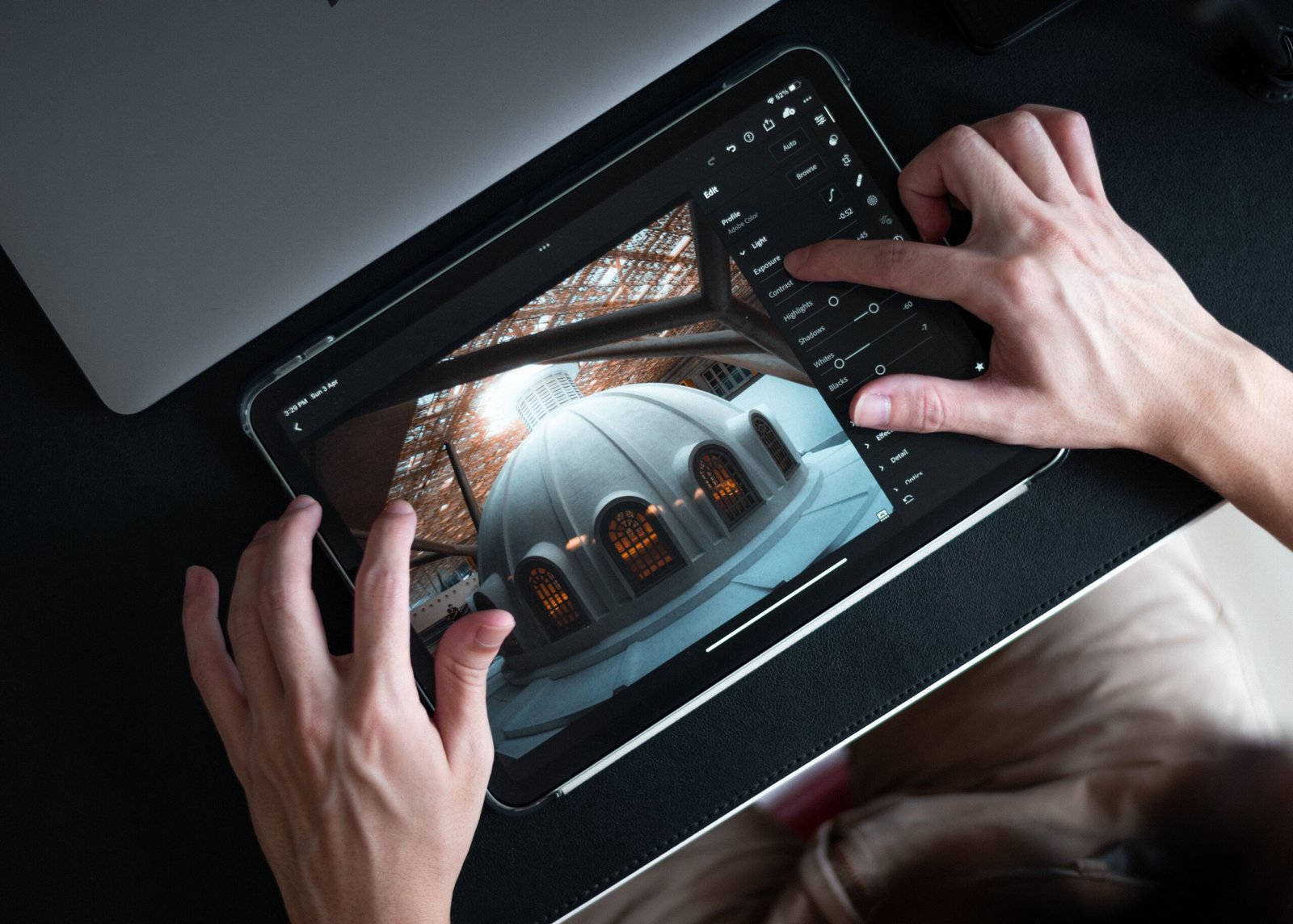
AI image enhancers represent a relatively modern type of tools that apply artificial intelligence for image analysis and enhancement. An AI-based enhancement usually involves making changes to image features such as sharpness, lighting, colors, contrast, and resolution.
Unlike the traditional ways of image manipulation that involved complicated editing processes, AI-enhanced images can be edited with several clicks. Due to the importance of visuals, AI image enhancers are used by photographers, businesses, content creators, marketers, etc.
What Are AI Image Enhancers?
AI image enhancers refer to software that uses machine learning and computer vision technologies to analyze and edit photos. The technology can recognize various parts of a photo and identify what should be enhanced. For example, an AI-powered enhancement may involve making a blurred picture sharper. A photo could be lightened, noise reduced, color corrected, or upscaled.
Advanced AI enhancers can even restore old photos by revealing hidden details. The main purpose of AI image enhancers is to improve the quality and appearance of a photo automatically and with minimal effort.
How Do AI Image Enhancers Work?
The algorithms of AI image enhancers are trained to recognize the pixels and visual features of an image. Based on the comparison of the patterns, the system finds ways to improve the photo. Once the user uploads the picture, the AI may identify problems like noise, blur, poor lighting, and low resolution.
Then, the appropriate adjustments are automatically made. Some AI enhancers have the ability to upsize images and add new details during the upscaling process. Others may specialize in face enhancement, coloring, shadows, or some other visual characteristics.
Common Uses of AI Image Enhancers
- – Enhancing photos before posting them on Instagram, TikTok, and other social media platforms;
- – Helping businesses with product images for their websites and ads. High-quality photos will make the products more visible to potential buyers;
- – Assisting photographers in editing tld photos and those that have poor quality;
- – Restoring old photographs. The AI may improve noise, contrast, sharpness, and other parameters.
Benefits of AI Image Enhancers
- – Convenient – it is not necessary to possess advanced editing skills;
- – Time-efficient – the AI does all necessary work fast;
- – Good resolution – some enhancers can smartly upscale images;
- – Convenient interfaces that allow uploading photos and downloading the results.
AI Image Enhancers for SEO and Websites
Good quality photos positively influence the user experience of the website. While enhancements themselves do not necessarily bring higher rankings, good visuals make the site more professional and attractive. It should be combined with other SEO techniques like descriptive file names, alt text, appropriate image size, and the correct image format.
Also, decreasing image sizes may help to increase the loading speed of webpages. For blogs, product pages, and marketing websites, better visuals complement the text content and attract more visitors.
Limitations of AI Image Enhancers
AI enhancers cannot improve anything in the case of very blurry, damaged, and low-quality images. Moreover, sometimes AI adds additional details that were not there before. Excessive enhancement may make images look unnatural.
An over-sharpened photo or a photo with fake textures and exaggerated brightness may deteriorate its quality. One should always compare the enhanced image with the original one and make sure that the photo does not lose its authenticity.
How to Choose the Right AI Image Enhancer?
It is important to determine which features the user really needs. Some enhancers specialize in upscaling images, others specialize in noise reduction, sharpening, color correction, portrait enhancements, photo restoration, etc. Such factors as convenience, quality of results, supported file formats, speed of processing, and resolution of the final image should be considered as well as it.